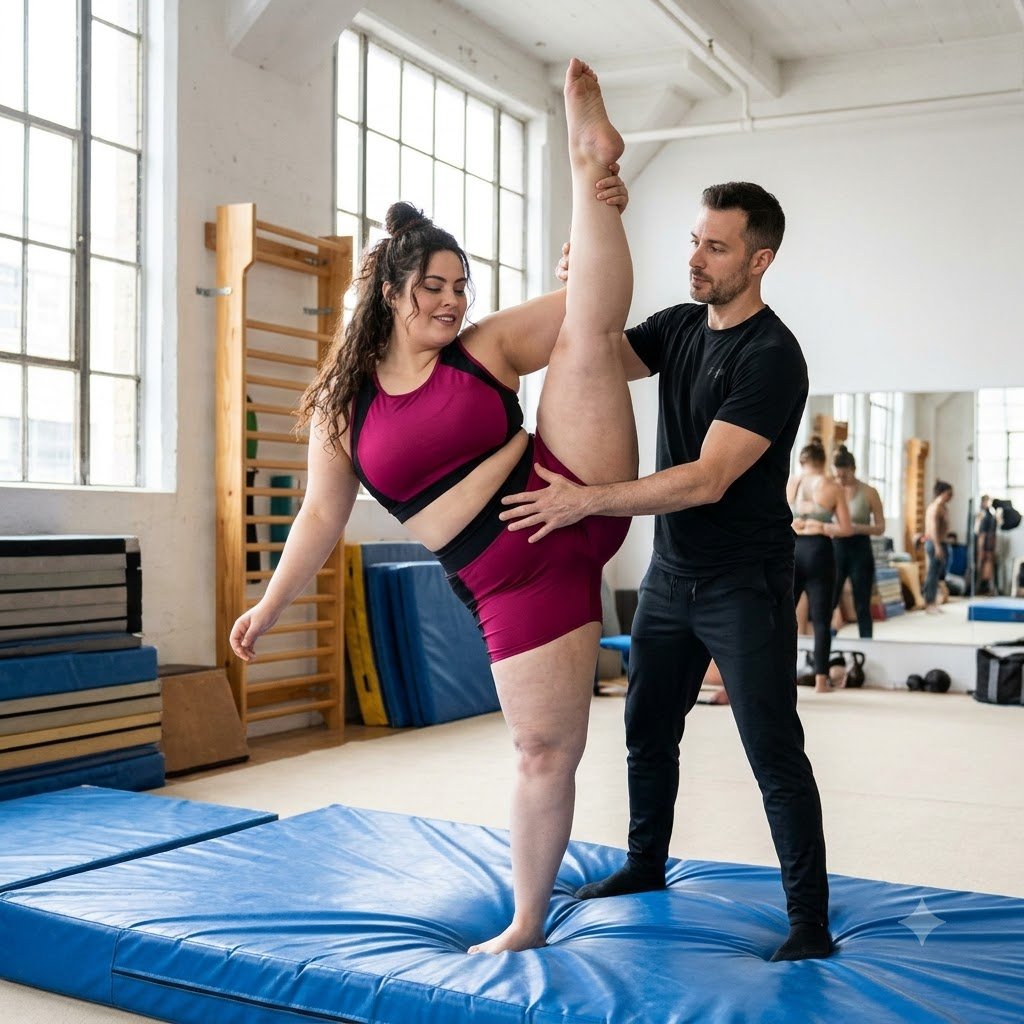

Try this beginner-friendly 15-minute morning yoga routine with gentle warm-ups, standing poses, breathing, and practical tips for building a consistent habit.


Introduction
A morning yoga routine can create a calm transition from sleep to the demands of the day. You do not need an hour, advanced flexibility, or a dedicated yoga room. A simple 15-minute sequence can combine gentle mobility, easy standing poses, and a few quiet breaths. The best routine is one that feels comfortable and fits your real schedule, whether you practice before breakfast, after a shower, or once the household is awake.
Why Practice Yoga in the Morning?
Morning practice gives you a planned moment to move before work, school, or other responsibilities take over. Gentle movement may help you notice stiffness after sleep and become more aware of posture and breathing. Some people enjoy the feeling of focus that comes from beginning the day without immediately checking messages. Benefits vary, and yoga is not a substitute for sleep, medical treatment, or other forms of physical activity.
Prepare Your Space and Body
Choose a clear, non-slip surface with enough room to extend your arms. Keep a folded blanket, cushion, or sturdy chair nearby. Drink water if you are thirsty and give yourself time to wake up rather than rushing into deep stretches. If you feel dizzy, unwell, or unusually stiff, keep the session very gentle or skip it. People with injuries or health concerns should seek individualized advice about suitable movements.
Minutes 1–2: Natural Breathing
Sit comfortably on a mat or chair. Let your shoulders settle and notice the natural rhythm of your breath. There is no need to take unusually deep breaths or hold the air. Allow your attention to move away from your to-do list and toward the sensation of sitting. If sitting on the floor is uncomfortable, use a chair with your feet supported.
Minutes 3–4: Gentle Neck and Shoulder Movement
Keep your head upright and slowly turn your gaze a little to one side, then return to the center and repeat on the other side. Avoid rolling your head in large circles. Follow with several gentle shoulder rolls. Keep the movement small and pain-free. These motions are intended as a warm-up, not an attempt to force a stretch.
Minutes 5–6: Cat-Cow or Seated Spinal Movement
If kneeling is comfortable, come onto hands and knees. Inhale as you gently lift the chest and tailbone; exhale as you round your back. Move slowly and keep your neck relaxed. If kneeling is not suitable, sit on a chair with hands on your thighs and gently alternate between lengthening and rounding your back.
Minutes 7–8: Mountain Pose and Side Reach
Stand with your feet about hip-width apart and distribute your weight comfortably. Relax your knees and lengthen through the top of your head. Raise one arm overhead and lean slightly to the opposite side, then switch. Keep both feet grounded and avoid leaning so far that you lose balance.
Minutes 9–11: Supported Lunge and Warrior Variation
Step one foot back into a short, comfortable stance and bend the front knee slightly. Keep the knee pointing in the same general direction as the toes. Use a wall or chair for support if needed. You may raise your arms only if your shoulders feel comfortable. Return to standing and change sides. A smaller stance is perfectly acceptable.
Minutes 12–13: Gentle Forward Fold
Stand with knees softly bent and hinge forward from your hips only as far as comfortable. Rest your hands on your thighs, a chair, or blocks. Do not pull your head toward your knees. Rise slowly, using your legs and support as needed. If forward bending is uncomfortable, remain upright and take a few relaxed breaths instead.
Minutes 14–15: Cool Down and Set an Intention
Sit or stand comfortably and allow your breathing to return to its natural rhythm. Notice how your body feels compared with the beginning of the session. Choose one realistic intention for the day, such as taking a lunch break or walking outside. An intention is a gentle reminder, not another task to judge yourself by.
How to Make the Routine a Habit
Attach yoga to an existing morning cue. You might roll out your mat after brushing your teeth, practice before making coffee, or do a seated version after breakfast. Put your equipment somewhere easy to reach. Prepare a shorter five-minute option for busy mornings so that a missed full session does not become a reason to abandon the habit. Consistency grows through realistic repetition, not perfection.
Common Morning Yoga Mistakes
Avoid jumping directly into intense poses when your body is still waking up. Do not compete with a video instructor or push for a deeper stretch every day. Skipping warm-up movements, holding your breath, and rushing between poses can make practice less comfortable. Choose a beginner class and use modifications. Stop if you experience sharp pain, dizziness, numbness, chest discomfort, or unusual shortness of breath.
Frequently Asked Questions
Should I do yoga before or after breakfast? Choose what feels comfortable. Many people prefer gentle practice before a large meal, but individual routines differ. Is 15 minutes enough? It can be a useful starting habit, though it does not replace all recommended physical activity. Can beginners follow this routine? Yes, if movements are kept gentle and adapted to individual ability.
Conclusion
A 15-minute morning yoga routine can help you begin the day with deliberate movement and a quiet pause. Start slowly, use support, and keep the sequence flexible. You do not need to achieve a perfect pose; the value is in creating a safe routine you can return to regularly.